So there was a story on the news about some climbers falling just north of where I live and it’s made me think about the steps I take for safety. The worst time for accidents is after you start becoming comfortable with your equiptment and climbing. It’s way to easy to get complacent and think that a quick spot check will work. You get into a routine and unless you catch yourself you go into cruise control.
I know that I struggle with making sure to check and recheck my equipment, but you need to make sure that your routine includes this. Some people do it differently, but I like to check my equipment before I climb, instead of right after I climb. It’s honestly best if you check them both times. The more you check, the more likely you are to find something you missed, but it’s difficult to do. After a good climbing you’re usually exhausted, all you want to do is pack up your stuff, tell everyone about your awesome dyno, and reminisce about the highlights and lowlights of the climb. The flip side of that is when you starting to set up for your run you can get caught up in the moment and focus on what you’re about to do. Either way it’s really easy to forget to inspect your rope, harness, carabiners, cams, and belay devices.
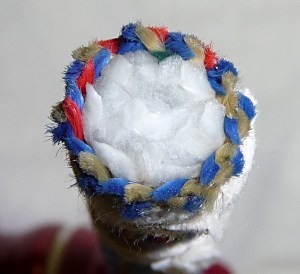
The simple fact is you HAVE to inspect your equipment, especially your lifeline (aka your rope). Ropes can take a beating, but at the same time be so easily damaged. A climbing rope is made up of two key elements. There is the core and the sheath. The core is where the strength of the rope comes from. If the core is at all damaged, then the rope has to be replaced. THIS IS NOT OPTIONAL. You must replace the rope if you notice a tear, cut, soft spot, or anything wrong with the core. End of story. The sheath is what protects the core. It gets dirty and raggity, but as long as it’s able to still do its job (protect the core) then you’re ok.
Carabiners and belay devices are pretty easy to check. If there’s something sharp (from wear) on the belay device, then it’s time to replace it. If a carabiner has more than 20 percent of its thickness worn down, then it’s time to replace that. Simple right? Harnesses get a little more tricky and are much more subjective. You’re just looking for rips in the webbing and anything that looks to rundown, is just that.
My advice is that you should always inspect your gear before you climb. Better to catch something right then and there than after you climb. Sometimes you’ll want to climb anyway after to catch something, but please don’t risk it. It’s really not worth it. Just remember, inspect you equipment AND check to make sure everything is tied in properly, then recheck. Don’t forget the most important part of climbing – live.
That’s enough preaching for today, but when someone falls it really makes you think about these things. I hope you are as well.

 Bivy Life